September 30, 2026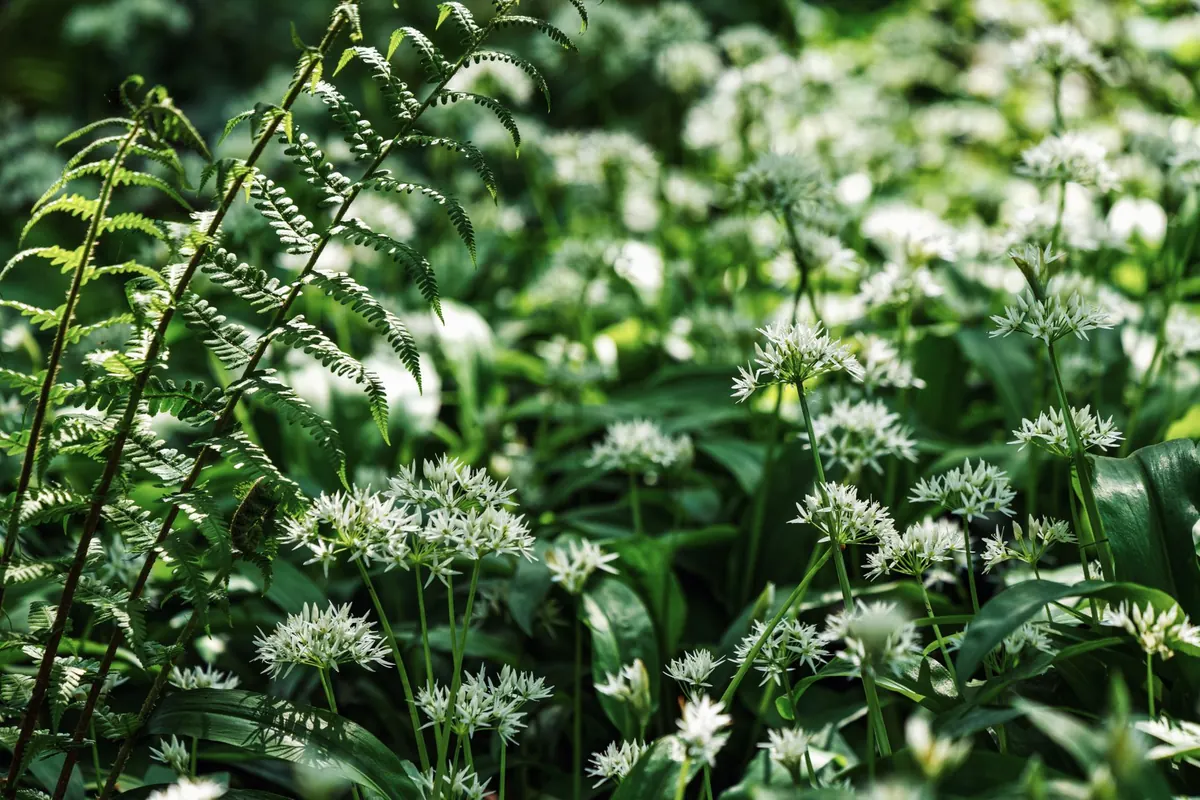
Wild garlic is one of the few wild foods that announces itself before you see it. Step into the right stretch of damp woodland on a mild March morning and the air smells like a kitchen: green, sharp, unmistakably garlicky. The leaves are already carpeting the ground beneath bare trees, and for the next few months you can pick a free crop of one of the best spring greens going. This guide covers when it appears, where to look, how to be sure of what you're picking, and how to take it without harming the patch.
When Wild Garlic Appears: A Season in Four Stages
Wild garlic (Allium ursinum, also called ramsons or bear garlic) runs on a fairly predictable clock, though it shifts with the weather and how far north you are. Think of the season as four stages.
Late winter to early spring: the first leaves
From around February in mild years, and more reliably from March, pointed green leaves push up through last autumn's leaf litter. These early leaves are the tenderest and the best raw. In a cold spring, everything shifts back two or three weeks, so don't write off a patch because it looks bare.
April and May: the show
Flower buds appear, then open into loose clusters of white, star-shaped flowers on a three-cornered stem. A good patch turns the woodland floor white, and the smell gets stronger still. The flowers are edible, and the leaves are still worth taking, though they're getting coarser by the week.
June: flowering, then fading
Once the flowers set seed, leaves yellow and collapse. Picked now they're tough and bitter. The plant then disappears underground entirely. Some foragers collect the green seed pods in early summer instead; they're sharp and juicy, somewhere between garlic and capers.
July onwards: nothing to see
The bulbs are dormant under the soil. Leave them, and make a note of the spot for next year.
Where to Look (and Where Not To)
Wild garlic wants what bluebells want: damp, shaded, undisturbed deciduous woodland. Look on north-facing slopes, in dells and hollows, along stream banks, and in old hedgerows under beech, ash or sycamore. It grows in colonies, so one plant usually means thousands nearby. Once you know a patch, you'll find it in the same place every spring for years.
Be fussy about which patches you use. Roadside verges collect exhaust and spray, and leaves there sit at exactly dog height. Field edges may be drift-sprayed. Busy footpaths mean heavy traffic of both people and animals, and nature reserves and community woodlands often have their own rules about foraging. A clean, quiet, generous patch well away from the road is worth the extra walk.
Identifying Wild Garlic: Let Your Nose Decide
The single most reliable test is smell. Tear a leaf across and sniff it. Real wild garlic gives a clean, bright punch of garlic. If a leaf gives you nothing, drop it and walk on. Do that one test every time, even in a patch you know well.
A few other things to check:
- Leaves grow singly, each on its own stalk from the ground, rather than in pairs.
- They're broad and lance-shaped, soft and slightly floppy, often with a fold or keel running down the middle.
- The colour is a fresh, matte green, not glossy, and usually without spots or flecks.
- Flowers are white, star-shaped, in loose clusters, held on a stem that feels triangular when you roll it between your fingers.
- The whole patch smells garlicky before you pick anything. Walk through it and your boots will smell on the way home.
Lookalikes worth knowing
Several plants in the same woodland look roughly similar and are not edible. Lily of the valley has leaves that often come in pairs from one stem and no garlic smell at all. Lords-and-ladies, also called cuckoo pint, has arrow-shaped or speckled leaves. Autumn crocus appears in damp ground later in the year with a pale, distinct stem. All three are toxic, which is exactly why the smell test matters more than any photo comparison. Never pick a leaf you haven't smelled.
One regional note: in North America, "wild garlic" usually means something different, and the prized spring plant is the ramp (Allium tricoccum). Ramps are typically dug for their bulbs and grow slowly, so many states and provinces restrict or ban harvesting them. Check local rules before you go.
How to Harvest Without Harming the Patch
Wild garlic is resilient, but only if you leave the plant something to live on. A few habits make the difference:
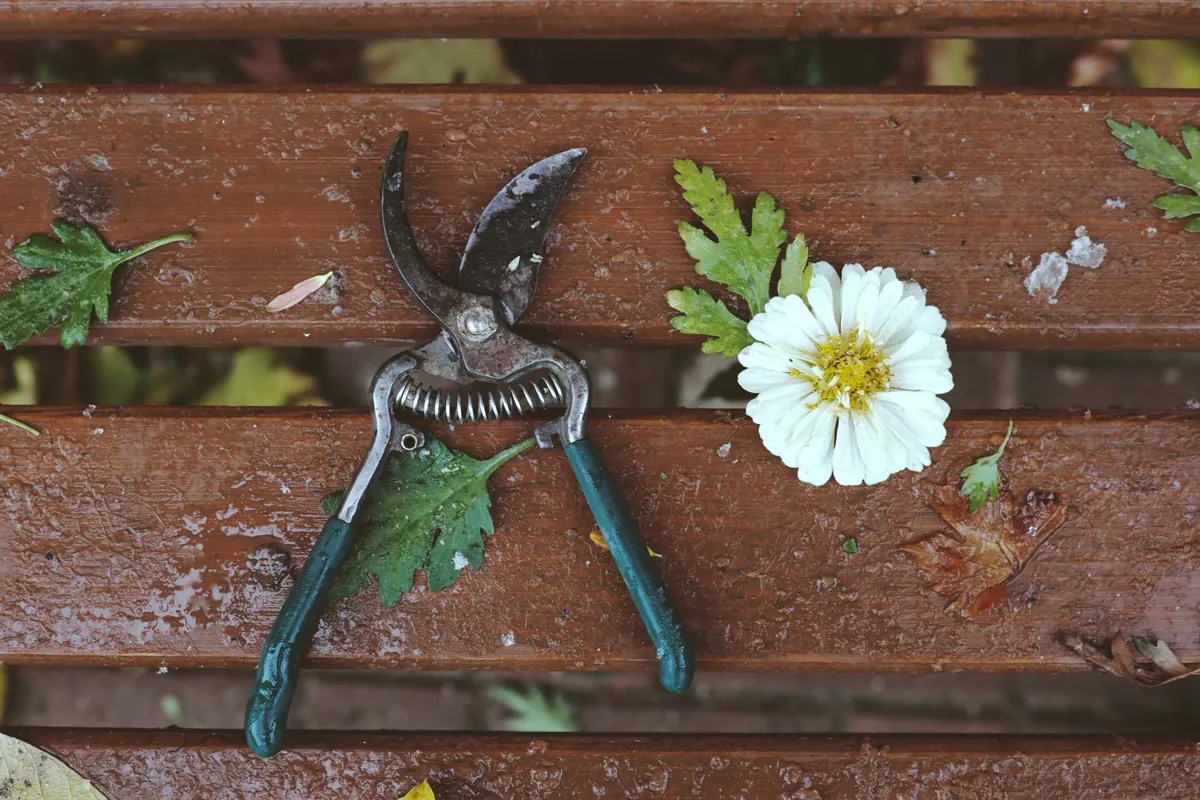
- Take leaves, not bulbs. Cut or pinch each leaf near the base with scissors or a thumbnail. Pulling the bulb kills the plant and is the main way foragers damage a site.
- Take one leaf per plant. Most plants carry two or three. Leave at least one so the plant can still photosynthesise.
- Spread your picking. A leaf here and there across a large patch does far less harm than stripping a small clump bare.
- Stay off the middle of the colony. Pick from the edges and along paths, so you're not compacting soil and crushing next year's growth.
- Don't dig, and don't clear. If you want the bulbs, you'll need the landowner's permission, and in many places it's simply not allowed.
- Pick into a cloth bag or a basket rather than a sealed plastic bag, which turns soft leaves to slime within an hour.
A handful is usually plenty for a meal. A carrier bag of leaves you can't use in two days is just wilted regret.
Cooking and Keeping Your Picking
Wild garlic is at its best raw or barely cooked; heat mutes that fresh green bite. Use it as you would spinach or basil. The classic is pesto: leaves, olive oil, a few toasted nuts, hard cheese and a squeeze of lemon, blitzed and stirred through pasta or spooned over soup. Beyond that, chop it into butter, fold it through scrambled eggs, shred it into potato salad, or wilt it into a spring minestrone in the last minute of cooking. The flowers make a pretty, pungent garnish.
For keeping, freezing beats drying every time. Chop the leaves, pack them into an ice cube tray, cover with olive oil and freeze. Or blanch for thirty seconds, cool in cold water, squeeze dry and freeze in portions. Dried wild garlic loses most of what you went out for.
Staying Safe and Legal
Wash everything you bring home, even from a clean patch. Soil, wildlife and the fact that other people and their dogs walk the same ground are all reasons to rinse leaves well and use them within a couple of days.
Rules vary by country and by site. In the UK, wild plants are generally protected from being uprooted without the landowner's permission, and bylaws can restrict foraging on commons, parks and nature reserves; Scotland's access rules differ from England and Wales. Elsewhere the picture is different again. The safe approach is the same everywhere: pick only where foraging is allowed, ask before you take anything from private land, and never harvest from a protected site.
Finally, if you're pregnant, on medication, managing a health condition, or simply unsure whether wild food suits your diet, talk to a doctor or pharmacist before making it a regular habit. Wild garlic is a strong allium, and it isn't right for everyone.
Make It a Small Spring Ritual
Go early in the season, take a pair of scissors and a cloth bag, and pick less than you think you need. Note the date and the spot in your phone so you can come back a week earlier next year. The window is short, often only six to ten weeks between the first leaves and the yellowing, which is part of what makes it worth doing. Learn one patch properly, learn it well, and the smell of a March wood will start meaning something specific to you.