October 09, 2026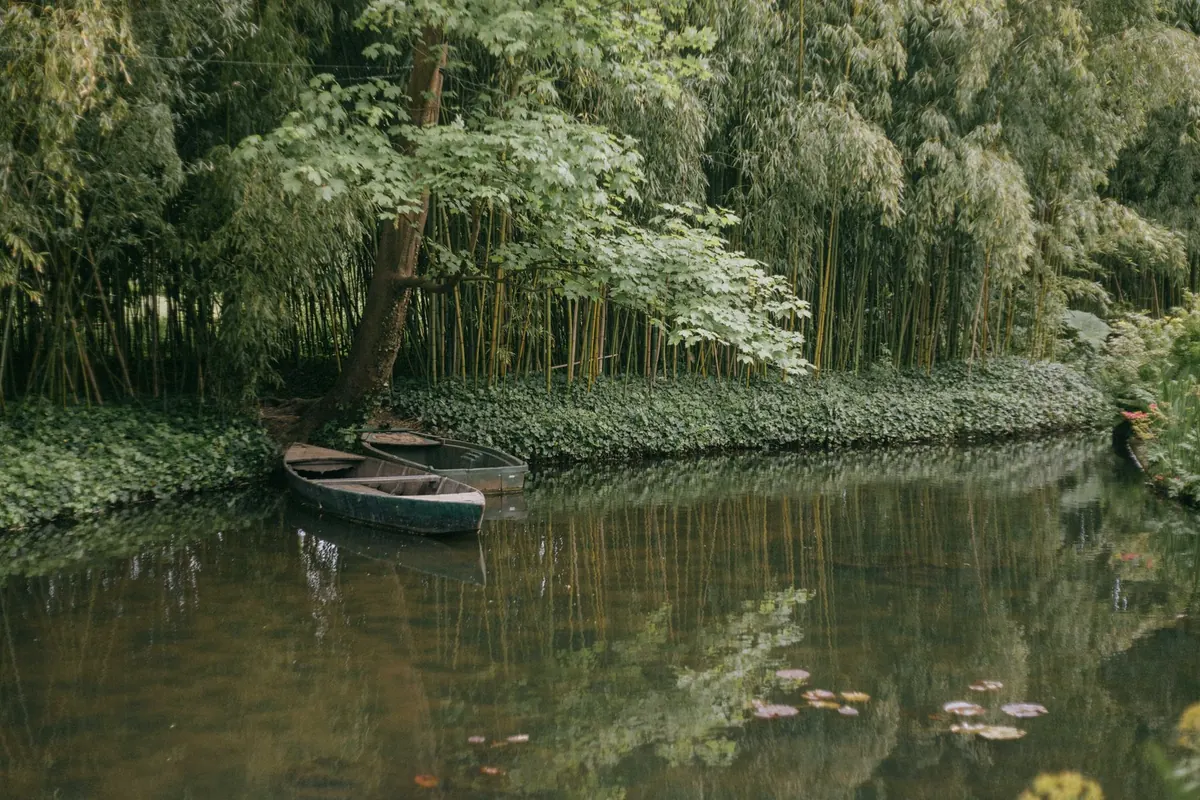
A pond does not have to be big, expensive or plugged in. A hole in the ground roughly the size of a doormat, lined with a piece of butyl and filled with rainwater, will be found by water boatmen within a fortnight and by frogs within a year or two. No pump, no filter, no electricity. The trick is to build it so that plants, weather and wildlife do the cleaning work for you.
Why a Pond Without a Pump Works
Pumps and filters exist mainly for one reason: fish. Fish eat plants, produce a lot of waste, and need moving, oxygen-rich water to stay healthy. A wildlife pond has no fish, so it needs none of that machinery. A pump will also suck up tadpoles, newt larvae and insect nymphs, which rather defeats the purpose.
What keeps a small pond clear instead is balance. Oxygenating plants release oxygen into the water. Marginal plants shade the surface and take up nutrients that would otherwise feed algae. Insects graze on the algae. Frogs and newts eat the insects. Left alone, a well-planted pond settles into a slightly green but perfectly healthy state. Murky water is not a fault; it is a habitat.
Choosing the Spot
Pick somewhere that gets sun for at least half the day. Sunlight warms the water, which speeds up insect life and encourages frogs to breed. Deep shade stays cold and lifeless.
Keep it away from the drip lines of big trees and shrubs. Leaf fall in autumn is the single biggest job a small pond creates, and overhanging branches drop roots and shade as well. A spot you can see from a kitchen window is worth more than a perfect spot out of sight, because you will actually notice what turns up.
If you have toddlers, either fence the pond or wait a few years. Even a shallow pond is a risk for a small child, and no amount of wildlife value is worth that.
Digging and Lining a Pond the Size of a Doormat
Aim for a hole about 1.2 metres by 1 metre, with a deep zone of 45 to 60 centimetres in the middle. That depth keeps the water from overheating in summer and gives frogs somewhere to sit out the coldest weeks of winter.
- Mark the shape. A rough oval or teardrop looks more natural than a rectangle. Use a rope or a hose to lay out the outline and adjust until it pleases you.
- Dig in layers. Take out the topsoil and set it aside for planting later. Dig a shallow shelf around the edge, about 20 centimetres wide and 15 centimetres below the final water level, for marginal plants.
- Check the levels. Lay a straight plank across the hole with a spirit level on top. The rim must be level all round, or the liner will show on one side.
- Soften the base. Remove sharp stones and roots. Line the hole with old carpet, cardboard or purpose-made underlay, then lay a butyl or EPDM liner over the top, allowing at least 30 centimetres of overlap on every side.
- Fill with rainwater. Rainwater is free of the nutrients and chemicals that tap water carries. If you must use tap water, let it stand for a day or two first.
- Hide the edges. Tuck the liner under turf, or weight it with stones and let moss and creeping plants grow over it.
A buried washing-up bowl, an old sink or a leaky trug does the same job on a smaller scale, and takes an afternoon rather than a weekend.
Materials worth having on hand
- Butyl or EPDM liner, or a rigid container that has never held chemicals
- Old carpet, cardboard or geotextile underlay
- Rainwater from a butt
- Native oxygenating plants such as hornwort or water starwort
- A few flat stones for a ramp and a log for the edge
- Loam-based aquatic compost in baskets, topped with gravel
Planting a Small Pond
Plants do the heavy lifting, so give them a proper start. Aim to cover roughly half the water surface by midsummer, no more, so there is always open water for birds to bathe in and dragonflies to patrol.
Use three kinds of plant. Oxygenators sit submerged and keep the water clear. Floating plants, such as a compact water lily, shade the surface. Marginals grow on the shallow shelf with their roots wet and their leaves in the air: marsh marigold, water forget-me-not, lesser spearwort and ragged robin are all reliable and native.
Plant into baskets of loam-based aquatic compost, not ordinary potting compost, which is too rich and will feed algae. Cover the surface with gravel so blackbirds do not scatter it everywhere. Avoid invasive species such as parrot's feather and floating pennywort, which can escape a tiny pond and cause real problems downstream. Check what is legal to plant where you live before buying.
Around the outside, leave a few stones piled in the shade, a small log and a patch of long grass. Frogs need damp cover to travel between the pond and the rest of the garden, and hedgehogs need a way back out if they fall in. A gently sloping stone or a short plank of wood will do.
What Will Turn Up, and When
Insects arrive first, often within days: pond skaters, water boatmen, diving beetles, and midges you will learn to tolerate. Damselflies and dragonflies follow in the first summer if the pond is sunny and open.
Frogs and newts take longer, sometimes a year or two, because they have to find you. Do not add frogspawn from another pond, as it can carry disease between populations and may be restricted where you live. If the habitat is right, they come. Birds will use the shallow edge for drinking and bathing almost immediately, and that alone justifies the digging.
Keeping It Going Through the Year
Little upkeep is needed, but a few habits help. In spring, twirl excess blanketweed out with a stick and leave it on the edge overnight so trapped creatures can crawl back in. In summer, top up with rainwater during dry spells, ideally in the evening. In autumn, scoop out fallen leaves before they sink and rot. In winter, do not smash the ice; the shock can harm frogs resting below. If you want to open a hole for gas exchange, rest a pan of hot water on the surface until it melts through.
Never use pesticides or algaecides near the pond, and never empty it to give it a good scrub. The sludge at the bottom is the food supply for half the creatures living in there.
Start Small This Weekend
The best wildlife pond is the one you actually build. A buried bowl, a few oxygenating stems and a stone ramp will bring more life to a small garden than another metre of lawn ever will. Dig it, fill it with rainwater, plant it, and then do the hardest part: leave it alone. A pond that looks a little untidy is a pond that is working.
Photo: Clement Couturier / Pexels