October 08, 2026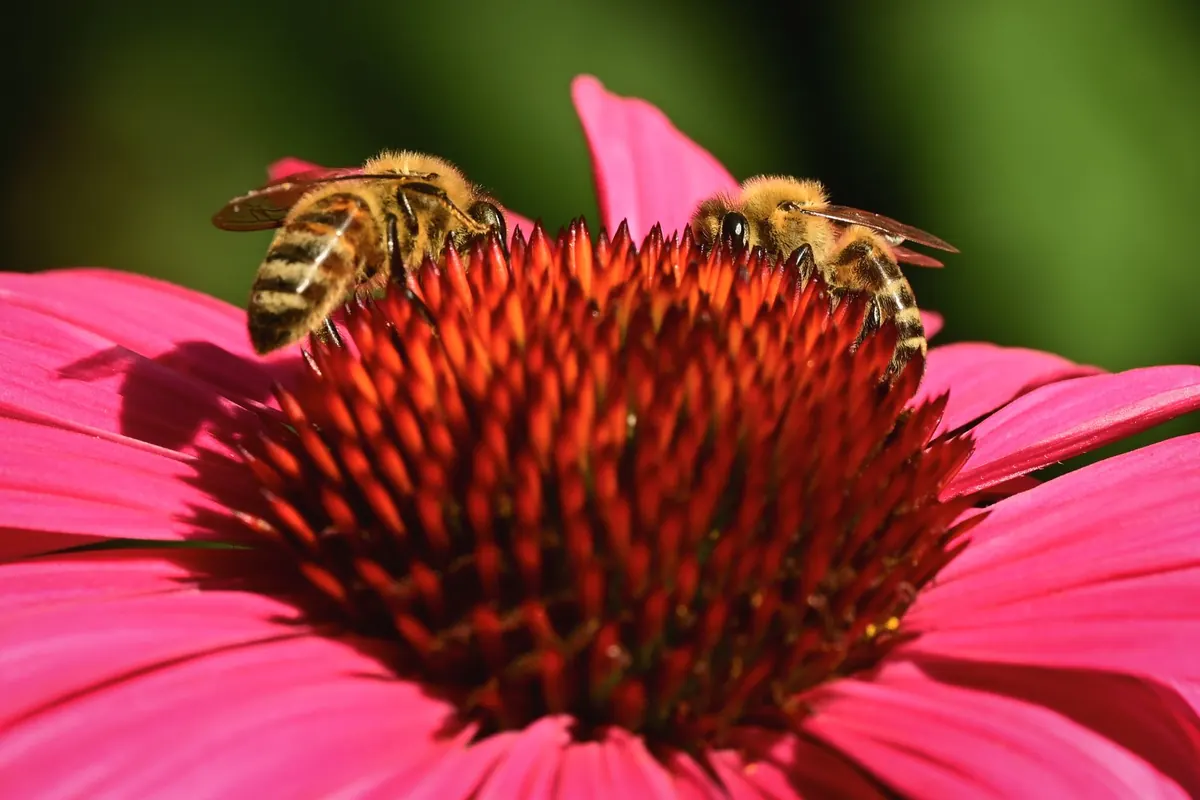
A bumblebee working a clump of wild bergamot doesn't check the plant's passport. It cares that the flower is open, the nectar is reachable, and the patch is warm. That's the honest starting point for this whole debate. Native plants matter enormously for wildlife — but not every non-native is a waste of soil, and not every native will thrive where you plant it. The useful question isn't "native or not?" It's "what job do I need this plant to do?"
What "Native" Actually Means
A native plant is one that evolved in your region without human help — it was growing wild there before widespread settlement and trade shuffled the world's flora around. That word "region" is doing a lot of work. A plant native to the wider continent but not to your county may still feed generalist bees, yet it won't necessarily support the insects that specialize in your local flora.
Then there's the cultivar question. Garden centres sell "nativars" — native species bred for bigger flowers, darker leaves, or a tidier habit. Many are perfectly useful. But double-flowered forms often replace nectar and pollen with extra petals, and dramatically altered leaf colour can make a plant less appealing to caterpillars. When in doubt, buy the straight species. If you love a particular cultivar, keep it — just don't let it be your only native.
Finally, remember the real dividing line isn't native versus non-native. It's invasive versus well-behaved. A plant that seeds itself into nearby woods or hedgerows isn't a wildlife plant; it's a problem you've handed to someone else. Your regional invasive species list is worth ten minutes of reading before you buy.
Pollinators: Where Natives Do the Heavy Lifting
Many bees, hoverflies, and butterflies are generalists. They'll happily work lavender, cosmos, or oregano. So a garden full of non-natives isn't a desert — it can be a busy, buzzing place.
The trouble starts with the specialists. Some solitary bees collect pollen from only a handful of plant families. Caterpillars are stricter still: most butterfly and moth larvae can eat only specific plants, and some can eat just one genus. Monarch caterpillars need milkweed. Nothing else will do. That's the point people miss when they judge a garden purely by how many adult butterflies visit it.
Nectar feeds the adults. Leaves feed the next generation. A garden with flowers but no caterpillar food is a nice restaurant with no housing.
Trees and shrubs do quiet, enormous work here. Native oaks, willows, cherries, birches, and hawthorns host a wide range of caterpillars, and those caterpillars become the protein that nestling birds need in spring. If you have room for one tree, that single planting can outperform a whole border of perennials.
Non-Natives That Earn Their Keep
Plenty of non-natives are genuinely valuable in a small garden, especially where you want a long season of bloom with little fuss. Reliable nectar and pollen sources include lavender, catmint, thyme, oregano, sage, borage, calendula, cosmos, and single-flowered dahlias. Most are easy, drought-tolerant once settled, and many are herbs you can cook with.
Hardy annuals are quietly useful in year one, while slow perennials are still finding their feet. A row of calendula or cosmos keeps pollinators coming back to a bed that would otherwise look empty until August.
A few cautions worth knowing:
- Double flowers often have little or no accessible nectar and pollen. Choose singles.
- Butterfly bush is a strong nectar source for adults but supports no caterpillars, and it's invasive in several regions. If it's a problem where you live, plant something else.
- Pollenless or sterile varieties look tidy but feed nothing.
- Anything on your local invasive list — skip it, however pretty.
Habitat Is Mostly About Structure
Here's a relief for anyone who can't face re-planting the whole garden: a lot of wildlife value has nothing to do with a plant's origin.
Leave the messy bits
Hollow and pithy stems left standing over winter shelter overwintering bees and other insects. Seed heads feed finches through the cold months. A patch of undisturbed leaf litter gives frogs, beetles, and moth pupae somewhere to hide. Bare, sunny ground lets ground-nesting bees dig their tunnels. A small pile of prunings becomes a slow, free, excellent habitat feature.
A garden tidied to bare soil in October is a food desert in December. Raking less and cutting back later — leaving stems until mid-spring — is one of the highest-return changes you can make, and it costs nothing.
Which Plants Are Actually Easier to Maintain?
Natives are usually the lower-maintenance choice, but not automatically. Their advantage is that they evolved alongside your rainfall, soil, and temperature swings, so once established they typically need less watering and less feeding. Their disadvantage is patience: many sleep the first year, creep the second, and only leap in the third.
Non-natives vary wildly. Tough Mediterranean herbs like lavender and thyme are nearly self-sufficient on a sunny, well-drained spot. A thirsty, fussy showpiece from a wet climate will demand water and attention every summer. And annuals need replanting every single year.
Whichever you choose, these habits cut the work roughly in half:
- Group plants by water need rather than by colour.
- Plant densely so weeds have no room and the soil stays shaded.
- Match the plant to your actual soil and light, not the soil you wish you had.
- Favour long-lived perennials over short-lived ones that need replacing.
- Mulch with compost or leaves, and skip the pesticides entirely.
- Water deeply and rarely to push roots down.
A Workable Mix for a Small Garden
You don't need a purist's ratio. A majority of natives — roughly two-thirds, say — with the remaining third given to non-natives you genuinely love, is a sensible, generous compromise for a modest plot. What matters more is covering the basics.
- At least one caterpillar host plant. A native oak if you have space; otherwise a native willow shrub, native cherry, or a patch of milkweed.
- Three bloom seasons. Early willow or pussytoes, midsummer bee balm or coneflower, late asters and goldenrod.
- Simple, open flowers that short-tongued insects can actually reach.
- Structure: stems, seed heads, leaf litter, and bare ground.
- No sprays. Even organic ones labelled for pests will take out your caterpillars.
A garden doesn't have to be a restoration project to be useful. It just has to be planted with intent.
Start With One Bed
Pick a patch — two metres by two metres is plenty — and convert that first. Choose a native shrub or a couple of native perennials suited to the spot, add a few easy non-natives for colour and nectar, and leave the stems standing through winter. Then watch, for a full season, what actually turns up. Note which plants the bees ignored and which ones got stripped by caterpillars. That's your real information, and it's better than any list.
Don't rip out a garden you already love. Replace things as they die or disappoint, favouring natives and well-behaved non-natives a little more each year. Two or three seasons of that quiet editing, and you'll have a garden that feeds insects, shelters birds, and — best of all — asks less of you than the one you started with.
Photo: Alexas Fotos / Pexels