October 11, 2026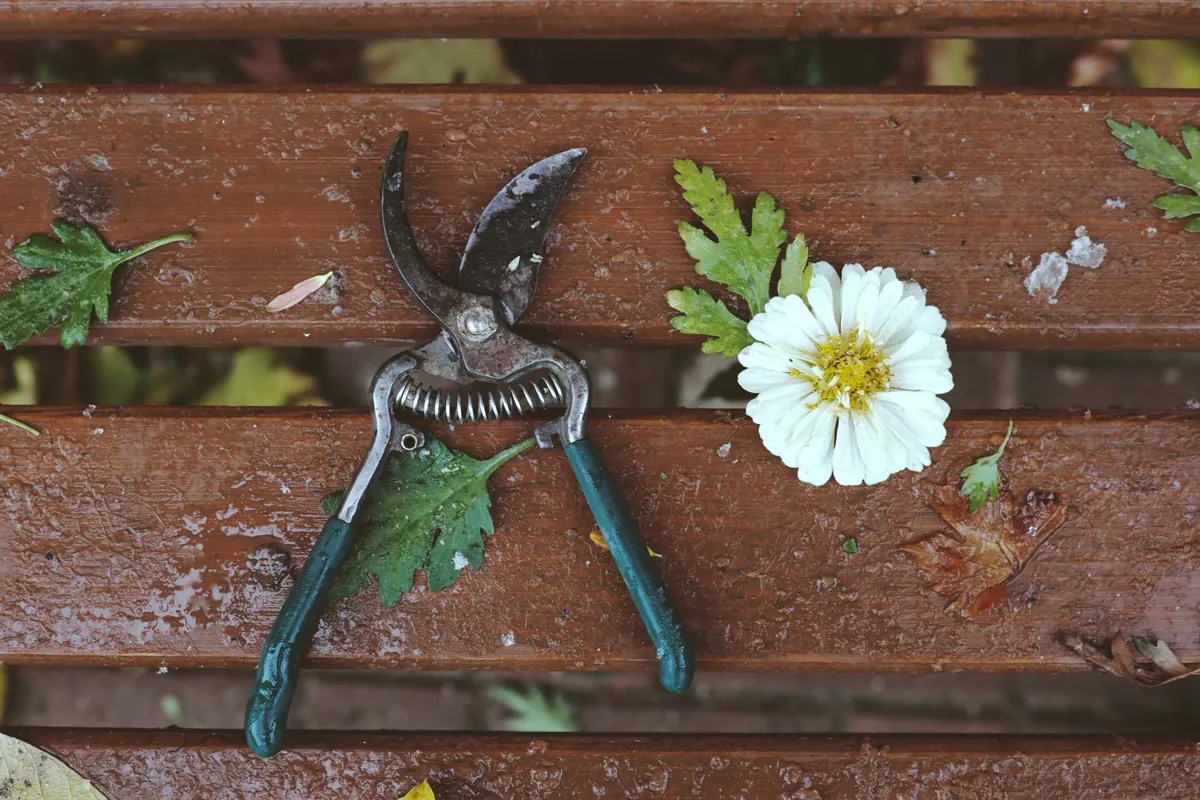
Autumn arrives as a to-do list. The first cold morning comes, and suddenly every unfinished job in the garden looks urgent. The season is longer than it feels, though. Most fall work is about settling things down for winter, not winning a race against it. Do a handful of jobs well, at a pace you could keep up for a whole afternoon, and the garden will come through the cold months in better shape than a frantic weekend of tidying would ever leave it.
Start Where You'll Notice It Most
Walk the garden with a bucket before you touch anything. The beds you see from the kitchen window are the ones worth clearing first; the far corner can wait until you feel like getting to it.
Pull spent annuals — marigolds, cosmos, tired petunias — and add anything free of seed heads to the compost. Be more careful with tomatoes, zucchini and potatoes: their foliage often carries blight or mildew, so bag it for the bin rather than composting it. Then stop. Resist the urge to cut every perennial to the ground. Coneflowers, sedum, grasses and rudbeckia hold their shape through frost, feed birds through January, and give you something to look at when everything else is grey.
Feed the Soil While It's Still Warm
Soil stays workable for weeks after the air turns sharp, and worms keep moving as long as it isn't frozen. That makes autumn the best time of year to improve it.
- Spread compost on empty beds and let the weather work it in. An inch or two is plenty; no digging required.
- Mulch after the soil cools, not while it's still warm, or you'll hold heat in and keep plants growing when they should be shutting down. Leave a gap around stems and trunks.
- Make leaf mould. Rake leaves into a bin bag, punch a few holes in it, and tuck it behind the shed. In a year or two you'll have crumbly, free mulch for seedlings.
- Run the mower over leaves left on the lawn. Chopped small, they break down over winter instead of smothering the grass.
Plant the Things That Want Cold
Garlic, tulips, daffodils, alliums and most spring bulbs need a stretch of cold to perform. Plant garlic four to six weeks before the ground usually freezes hard, pointed end up, about two inches deep and a hand's width apart. Bulbs go in at roughly two to three times their own depth; tulips can go deeper still.
Mark where you planted with short sticks or a light sprinkle of sand, because by February you will not remember. If your soil is heavy clay, drop a handful of grit into each hole. If you garden in a wet climate, plant bulbs in raised beds or on a slight slope rather than in the low spot where water sits.
Put the Tender Things to Bed
Plants and pots
Wait for the first real frost, then lift dahlia tubers, cannas and gladioli. Brush off the soil, let them dry somewhere airy for a few days, and store them in barely damp compost or newspaper in a cool, frost-free spot. Take cuttings of geraniums and fuchsias if you want to overwinter them indoors. Empty terracotta pots can crack in a hard freeze, so stack them under cover and tip them upside down.
Tools
Spend one rainy afternoon on maintenance you'll thank yourself for in March. Scrape soil off spades and forks with a wire brush, rub the metal with an oily rag, and sharpen pruners and shears with a few passes of a file. Wooden handles appreciate a wipe of linseed oil.
Water
Drain hoses, coil them loosely and hang them up. If you live somewhere that freezes, shut off and drain outdoor taps. Cut back watering for indoor plants and stop feeding them until light levels rise again — most winter houseplant deaths are drownings, not droughts.
The Ten Tasks, in Order of What Matters
If you only get a few dry afternoons, work down this list. Everything below the line can wait for spring.
- Clear spent annuals and diseased foliage from the beds you see most.
- Plant garlic and spring bulbs, and mark them clearly.
- Spread compost and mulch once the soil has cooled.
- Lift and store dahlias, cannas and other tender tubers after the first frost.
- Move pots under cover and bring tender plants indoors.
- Drain hoses, shut off outdoor taps and store watering cans dry.
- Clean, oil and sharpen hand tools.
- Empty and clean pots, seed trays and the greenhouse glass.
- Rake leaves into a leaf-mould bin or over the beds.
- Fix one structural thing — a wobbly gate, a broken trellis — and then stop.
Leave Some of It Alone
A garden that's been swept clean offers very little shelter. A little untidiness is a gift to wildlife: seed heads for finches, leaf litter for hedgehogs and beetles, hollow stems for overwintering bees, and a brush pile in a quiet corner for anything looking for somewhere to hide. Skip the autumn tidy-up on one border and see what turns up in spring.
Your Only Real Deadline
The one date that matters is the first hard frost, and even that is negotiable — most of this can be done afterwards. Pick a dry, still afternoon, wear something you don't mind getting dirty, and give it ninety minutes. Put the tools away when you're tired rather than pushing on. Autumn gardening is slow work by nature: the soil is cooling, the light is dropping, and nothing here is going to bolt or wilt if you leave it until tomorrow. Treat the season as a wind-down rather than a sprint, and you'll arrive at winter with a garden that's resting well and a back that still works.
Photo: Zeynep Gül Ceylan / Pexels