October 05, 2026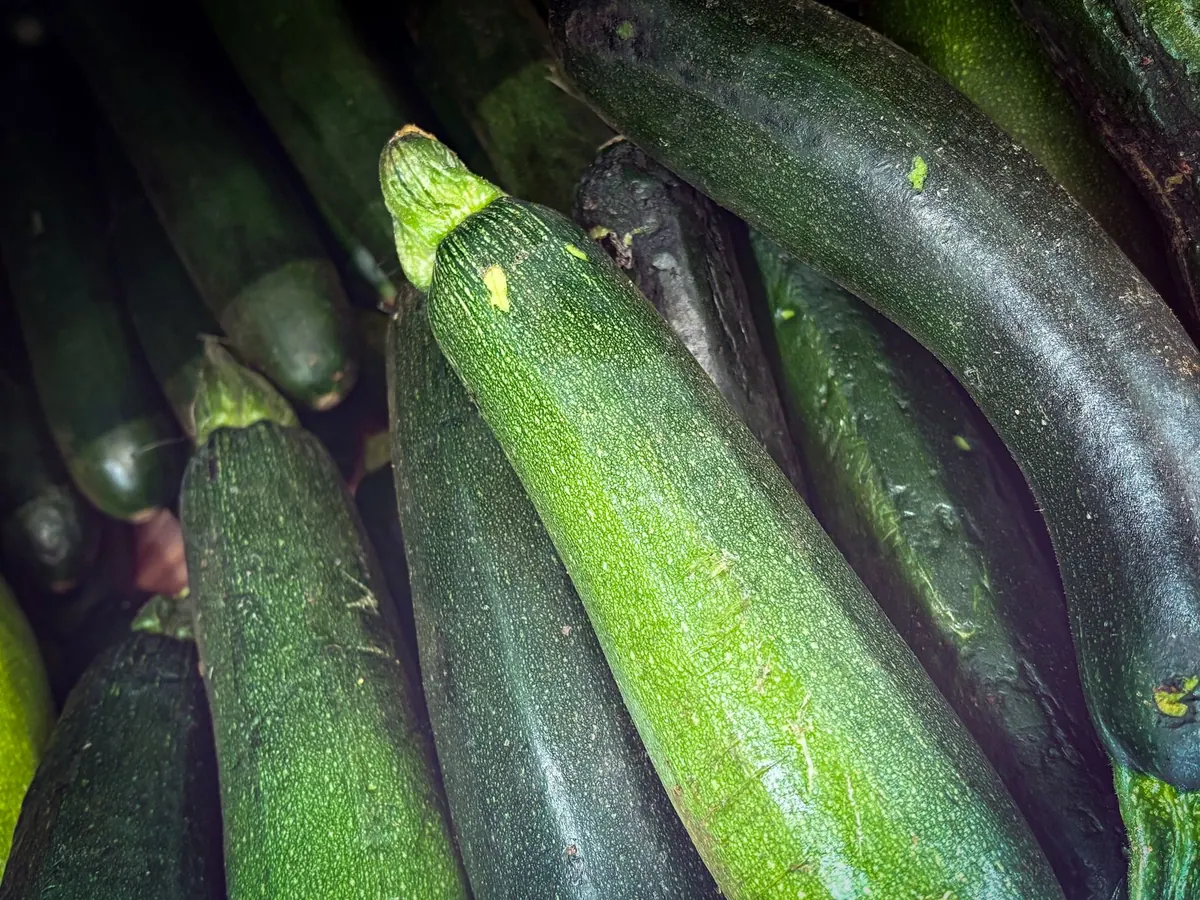
By late summer, the zucchini jokes write themselves. Leave your car unlocked and you'll find a baseball bat of a squash on the passenger seat. If you're the one staring at a counter covered in green, take heart: zucchini is one of the easiest vegetables to put up. It freezes cleanly, pickles fast, bakes into something people actually ask for, and dries into a decent snack. None of the five projects below needs special equipment — just a knife, a pot, a few jars, and some freezer space.
Pick and Prep Before Anything Else
Small zucchini are better for almost every preserving project. Once a squash passes about eight inches, the seeds turn tough, the flesh gets watery, and the skin hardens. That doesn't make it useless. It just means you should scoop out the seed core and grate the rest rather than slicing it into neat coins.
Handle your harvest the day you pick it if you can. Zucchini loses moisture and firmness quickly, and a soft squash turns to mush when it thaws. Wash, trim the ends, and decide right then whether it's headed for the freezer, the pickle jar, or the oven. Ten minutes of planning now beats finding a liquefied bag in the crisper next week.
Salting shredded zucchini for ten minutes in a colander, then squeezing it dry in a clean towel, is the single step that separates good zucchini bread from soggy zucchini bread.
1. Freeze It Two Ways
Shredded, for baking and fritters
- Grate the zucchini coarsely with a box grater or the shredding disc of a food processor.
- Toss the shreds with a light sprinkle of salt, let them sit ten minutes, then squeeze out the liquid in a clean kitchen towel.
- Pack in two-cup portions, which is roughly what most quick bread and fritter recipes call for.
- Press flat in freezer bags, label with the date and amount, and freeze flat so they stack like files.
Coins and cubes, for cooking
Slice or cube the zucchini, blanch it in boiling water for two to three minutes, then plunge it into ice water to stop the cooking. Drain well, spread on a tray to freeze solid, and bag the pieces. Frozen this way, the zucchini holds up in soups, stews, and pasta sauces. If you plan to use it within a few weeks, some gardeners skip the blanching entirely and simply freeze the raw pieces — just expect a softer texture after thawing.
2. Refrigerator Bread-and-Butter Pickles
This is the fastest way to turn a pile of zucchini into something people eat straight from the jar. No canning pot required.
- 6 cups thinly sliced zucchini
- 1 small onion, sliced thin
- 1 cup white vinegar (five percent acidity)
- 1 cup water
- 3/4 cup sugar
- 1 tablespoon pickling salt
- 1 teaspoon mustard seed, 1/2 teaspoon celery seed, 1/4 teaspoon turmeric
Bring the vinegar, water, sugar, salt, and spices to a simmer until the sugar dissolves. Pack the zucchini and onion into clean jars, pour the hot brine over them, and let the jars cool on the counter before refrigerating. Wait a full day before tasting — the flavor needs that time to settle. These keep in the fridge for about three to four weeks.
If you want shelf-stable pickles that sit in the pantry, follow a tested canning recipe from a university extension service rather than adjusting this one. Processing times and acid levels aren't things to guess at.
3. Zucchini Bread and the Muffin Trick
Two cups of shredded zucchini per loaf, and don't wring every drop of moisture out — a little liquid keeps the crumb tender. The batter will look thicker than you expect before baking; that's normal. Bake at 350°F for 50 to 60 minutes in a standard loaf pan, until a skewer in the center comes out clean.
For gifts and lunchboxes, bake the same batter as muffins instead. They take 20 to 25 minutes and freeze beautifully. Freeze muffins uncovered on a tray first, then tumble them into a bag so they don't clump. Wrap loaves in foil, slide them into a freezer bag, and they'll be ready for a thaw-and-slice breakfast in the middle of winter.
4. Zucchini Chips in the Oven or Dehydrator
Slice thin, about an eighth of an inch, using a mandoline if you have one. Toss the slices with a teaspoon of oil and a pinch of salt, then spread them in a single layer.
- Oven: 200°F for two to three hours, flipping once, with the door cracked slightly to let moisture escape.
- Dehydrator: 135°F for six to ten hours, depending on thickness and humidity.
These chips stay leathery rather than brittle, and that's fine — they're excellent crumbled over salads or dropped into soup. Store them in an airtight jar. If you live somewhere humid, let the finished chips sit in the jar for a few days, shake it, and check for condensation on the glass. If you see any, put them back in the dehydrator a while longer.
5. Zucchini-Tomato Freezer Sauce
This is the recipe for the enormous squash you missed for a week. Scoop out the seeds, grate the flesh, salt and drain it, then cook it down with chopped tomatoes, onion, garlic, and a handful of basil. Simmer until the sauce thickens and the raw edge disappears, about 40 minutes. Cool it, ladle it into freezer bags in meal-sized portions, and lay them flat. In January, you'll thaw one and taste August.
Keeping Track So Nothing Gets Lost
Write the date and the contents on every bag and jar, and keep a running list taped inside the freezer door. Cross items off as you use them. Frozen zucchini is best used within a few months, so cook from the oldest stock first rather than pushing it to the back.
And when the harvest still outpaces you — because it will — hand bags of shreds to neighbors along with the recipe. A zucchini you give away with instructions attached is a gift. A zucchini left silently on a porch step is a dare.
Photo: Magda Ehlers / Pexels