September 18, 2026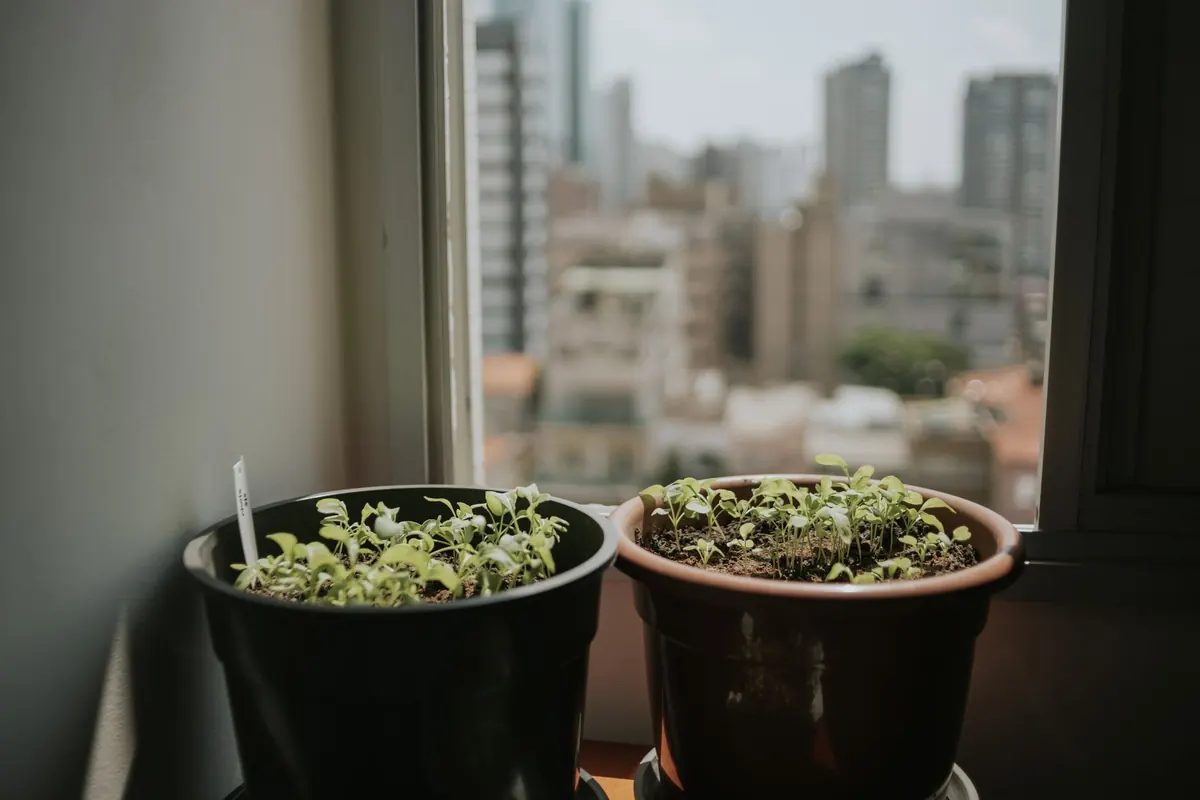
A single pot of basil on a kitchen windowsill is one of the easiest wins in gardening, and it rarely stays a single pot. Once you watch a container of mint or thyme fill out in a few weeks, growing herbs indoors and out, through every season, starts to feel less like a project and more like a rhythm. No special talent is required. What matters is matching the plant to the pot, the light, and the water — three things you can genuinely control.
Start With Herbs That Tolerate Pot Life
Some herbs sulk in containers. Others behave as if pots were invented for them. Begin with the second group:
- Basil — fast, generous, and happiest in warmth. One plant per 20–25 cm pot gives you a steady supply of leaves for months.
- Mint — almost impossible to kill, which is exactly why it needs its own pot. Given shared soil, it will shoulder past everything else.
- Chives — tidy, cold-tolerant, and quick to regrow after cutting. Snip them to the base rather than tugging at individual blades.
- Parsley — a biennial, so plan on replacing it after it flowers and goes to seed in its second year. Flat-leaf types are the most useful in the kitchen.
- Thyme, oregano, sage, and rosemary — the Mediterranean group. They want gritty, fast-draining soil, less water than you think, and a sunny spot. Rosemary needs the largest pot of the four.
- Cilantro — grows quickly and bolts in heat, so sow a few seeds every three weeks instead of relying on one plant.
- Dill — has a taproot and resents being moved, so sow it directly in a deep pot and leave it alone.
Lavender and lemongrass can work beautifully in containers, but they demand more sun and more space than the herbs above. Save them for your second season.
Get the Light Right
Most culinary herbs want six or more hours of direct sun. A south-facing window is the best indoor option; east and west windows are workable but produce slower, lankier growth. If your only space is a north window, choose mint, parsley, chives, or cilantro, which manage on four hours of sun or bright indirect light.
Rotate indoor pots a quarter turn each week so stems don't lean permanently toward the glass. In winter, light drops sharply and growth slows with it. That's normal. A simple LED grow light left on for twelve to fourteen hours a day keeps herbs like basil and rosemary from stretching into pale, weak stems.
Pots, Soil, and Drainage
Choose containers with drainage holes — always. A pot without one is a slow drowning, no matter how careful you are. Terracotta dries out faster and suits rosemary and thyme; glazed or plastic pots hold moisture longer and suit basil, mint, and parsley.
Fill pots with potting mix, not garden soil, which compacts in containers and drains poorly. For Mediterranean herbs, mix in a handful of perlite or coarse sand. Raise pots on small feet or stones so water escapes freely, and empty saucers within an hour of watering. Roots that sit in a puddle rot quietly, usually before you notice anything wrong above the surface.
A Watering Routine for Every Season
Spring
Growth restarts and water needs climb. Check pots every two or three days and water when the top two to three centimetres of mix feel dry. Morning watering gives leaves time to dry before evening.
Summer
Expect to water daily, sometimes twice on hot days for small pots of basil or mint. Mediterranean herbs prefer to dry out slightly between waterings — if thyme or oregano stays damp, its roots suffer. Water until it runs from the drainage hole, then stop.
Autumn
Ease off. Cooler air and shorter days mean slower growth, so water less often and let the top layer dry further. Move pots out from under roof overhangs where rain misses them, and out of spots that stay soggy.
Winter
This is the season that kills container herbs. Wet soil plus cold is a fatal combination. Water sparingly, only when the mix is nearly dry, and use room-temperature water for indoor pots. Woody herbs like rosemary and sage may need watering only every two or three weeks. When in doubt, wait a day.
Keep Plants Productive
Pinching is the quiet secret to a full pot. Snip basil above a pair of leaves to force side shoots, and remove flower buds from basil, mint, and cilantro as soon as they appear — once a herb flowers, leaf flavour turns bitter and production drops.
Feed lightly. A half-strength liquid fertiliser every two to three weeks during active growth is plenty; rosemary, thyme, and oregano need even less. Stop feeding in winter. Once a year, refresh tired plants by repotting into a pot one size larger, trimming any circling roots and topping up with fresh mix.
Harvest no more than a third of a plant at once, and take leaves from the top rather than stripping the base.
Moving Herbs Indoors for Winter
Tender herbs such as basil, lemongrass, and tender mint varieties should come inside before night temperatures approach 10°C. Acclimate them over about a week by moving them into deeper shade first, then to their indoor spot, so the change in light doesn't shock them. Check leaves and the soil surface for pests before they cross the threshold; a firm rinse with water handles most hitchhikers.
Indoors, give them the brightest window you have, reduce watering, and keep basil away from cold draughts. Some leaf drop is normal in the first fortnight. Hardy herbs left outside — mint, chives, parsley, thyme — do best grouped against a sheltered wall with a layer of mulch over the soil. In colder areas, move rosemary and sage into an unheated garage or cold frame so their roots never freeze solid.
Small Habits That Keep the Supply Coming
Year-round herbs come from staggering, not from one heroic plant. Sow a new pot of basil every six weeks in spring and summer. Keep three pots of mint at different stages. Snip leaves in the morning, when they're plump with moisture, and freeze or dry whatever you don't use that week.
Start with two pots — one basil for the kitchen, one rosemary for everything else — and add from there. Feed them lightly, water them according to the season rather than the calendar, and give them the sunniest spot you own. That's the whole method, and it works in a window, on a balcony, or on a doorstep.
Photo: Letícia Alvares / Pexels